
Why Feasibility Should Start Before Design Is Finished

Bringing Sourcing and Product Development in before the design is finished, and what it saves
There's a common assumption in product development that feasibility is where ambitious ideas go to get smaller. The thinking usually goes something like this: the Creative team dreams something up, and then someone from Sourcing or Product Development shows up later to explain everything that can't be done. In that version of the story, feasibility is the brake, and design is the engine.
We see it differently.
When feasibility enters early, before the design is finished, it doesn't shrink the idea. It widens the number of good ways to make that idea real. The earlier Sourcing and Product Development join the conversation, the more options a team has to make smart decisions without compromising the design vision. Feasibility becomes a creative tool because it reveals what's possible while the work is still flexible enough to act on it.
Rather than solving problems after a sample fails, we focus on identifying opportunities and risks before development begins. That shift in timing changes everything about how a product comes together. It's the difference between a team making an informed choice and a team making a reactive one.
Consider a holiday mug concept featuring snowflake details and an interior star relief. During the feasibility review, the team learned that although the factory had produced similar relief designs before, it had encountered demolding issues that made it reluctant to attempt the technique again. Rather than abandoning the decorative direction, the team recommended replacing the interior relief stars with white wax-resist snowflakes and lines. The design could still deliver its wintery look, while a custom relief around the character artwork offered another opportunity to add dimension to the outside of the mug.
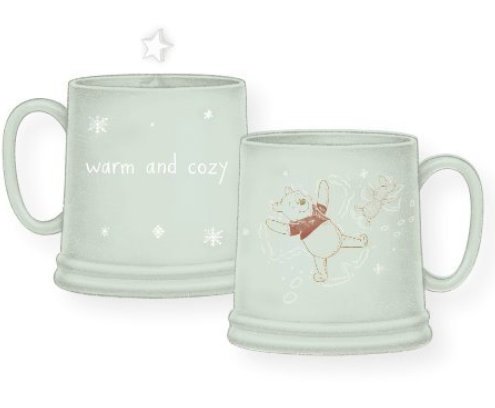
That is what early feasibility can do. It doesn't simply identify a limitation. It gives the creative team an opportunity to find a better way forward while the design is still taking shape.
Why "Early" is the Whole Point
A feasibility question has a very different cost depending on when it shows up in the process.
Asked early, while a concept is still taking shape, a feasibility question is relatively inexpensive to address. It might change a material, adjust a form, or point toward a better factory match. Asked late, after the design is locked and the sample is already in development, the same question becomes much more expensive. Now it can mean rework, another sampling round, a slipped timeline, or a cost that has drifted past its intended tier.
The information is the same. The timing is what determines whether it's an opportunity or a problem.
Early feasibility reviews exist to surface that information while it's still inexpensive to use. They bring manufacturing reality into the room at the moment that a concept is most open to it, so the design can be shaped with that reality in mind rather than corrected against it later. This isn't about saying no sooner. It's about giving the design team a fuller picture while there's still room to choose and adjust.
A Winnie the Pooh mug illustrates what can happen when a concern surfaces later. Two samples of the same design showed noticeable differences in their reactive glaze color. The inconsistency was identified at the TOP sample stage, after the design had progressed further through development. Factory feedback explained that the sample kiln's higher temperature produced a lighter color, while the production kiln operated at a stable, standard temperature. More importantly, reactive glazes naturally vary during firing because of the chemical reactions that create their distinctive appearance.
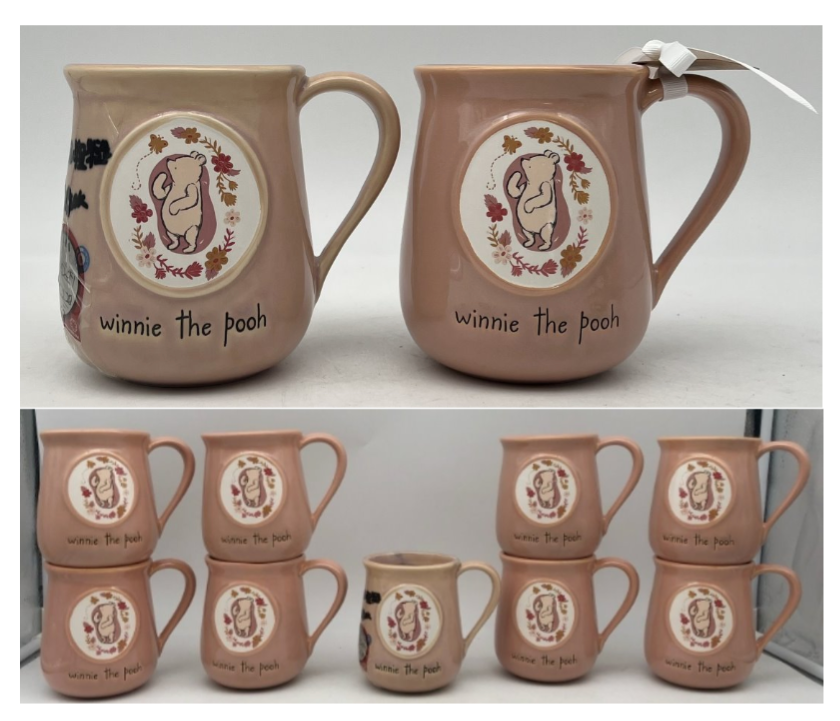
The lesson wasn't that reactive glaze should never be used. It was that its natural variation needed to be considered earlier, especially for designs with layered decoration that depends on consistent color. Identifying that sensitivity during the initial feasibility review would have helped the team determine whether the finish was appropriate for the design before it reached the TOP stage.
The Frameworks That Keep the Ideas Moving
Early feasibility only works if it's built into how a product moves through development. A few of the structures that we rely on help make those conversations part of the process.
Decision lanes
A decision lane is a viable path forward. The goal of early feasibility is to keep more than one lane open for as long as possible.
When a concept has two or three realistic ways it could be executed, the team has genuine choices about cost, quality, and timeline. When feasibility input comes too late, those lanes close one by one until only the most reactive option is left. Identifying the lanes early, and keeping them open through sign-off, is one of the most valuable things feasibility can do for a creative team.
The holiday mug with the interior star relief is a good example. Instead of treating the factory's demolding concerns as a reason to abandon the idea, the team explored another way to achieve the desired effect. Wax-resist snowflakes could preserve the seasonal artwork, while custom relief around the character illustration could introduce dimension elsewhere on the mug. The result was a solution shaped around both the creative direction and the factory's production experience.
Stage gates
Stage gates are the checkpoints a product passes through on its way to production. At each gate, the team confirms that the concept is still sound on the dimensions that matter, such as design intent, feasibility, cost, and quality.
Each gate confirms the concept is still sound before the next, more expensive stage. A concept that clears each gate with its tradeoffs fully understood is far less likely to surprise anyone at sampling.
The Winnie the Pooh mug demonstrates why these checkpoints matter. The color inconsistency between samples was identified at the TOP stage, when the team was already evaluating a more developed version of the product. Because reactive glaze can behave differently under different firing conditions, this concern is worth raising during feasibility, not waiting until the later sample review. At that earlier point, the team can assess whether the finish suits the artwork and decide whether to retain it or explore a more consistent alternative.
Core forms strategy
A core forms strategy means building collections around a library of proven, manufacturable base shapes that have already earned their reputation for reliability. Decoration, color, and surface story can change season to season while the underlying form stays consistent and dependable.
This gives a team creative freedom precisely because the foundation is settled. When the base form is already feasible, the creative energy can go into the elements that make each piece feel fresh, rather than into re-solving the same structural questions every time. It's also what lets a recognizable identity carry across seasonal drops without having to start from zero on each one.
Trend Task Force integration
Feasibility doesn't only meet a finished concept. It meets the trend thinking that shapes the concept in the first place. Our Creative team spans coast to coast, and different regions notice different signals earlier, which means trend direction is informed by a wide range of inputs before it ever becomes a product.
Integrating that trend work with feasibility early keeps two things aligned that often drift apart: what the market is moving toward and what can actually be built well at the right price. A trend-right idea that can't be produced consistently isn't a win, and a perfectly producible idea that misses the trend isn't either. Bringing them together early protects both.
Factory capability assessment
Matching the right design to the right production partner is one of the highest-leverage decisions in development, and it depends on knowing what a factory can reliably deliver. A capable partner with the right equipment and experience can make an ambitious idea repeatable. The wrong match can make even a simple product inconsistent.
Assessing factory capability early, against the specific techniques and tolerances a concept requires, grounds the design in real manufacturing possibilities. It's how an idea stays ambitious and achievable at the same time.
Glaze selection is one area where this assessment matters. For a mug featuring a deep purple glaze, factory feedback indicated that the originally specified Pantone 7440C could not be accurately reproduced in production. The team recommended alternatives, and the design was updated to 4121C Purple, a glaze previously used for the Ursula program. By identifying the color limitation and drawing on an established option, the team could keep the intended purple direction while selecting a finish the factory had experience producing.
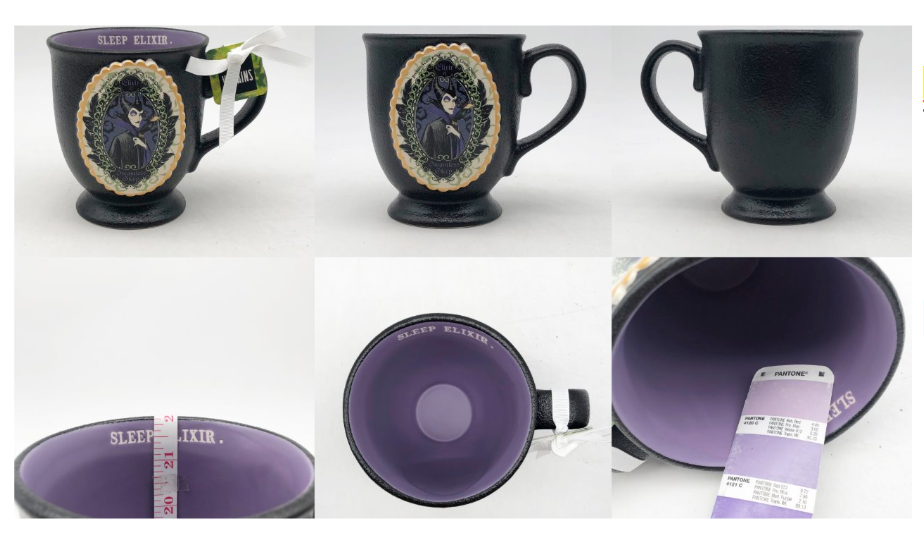
The same principle applies to techniques such as interior relief. Understanding a factory's experience with a technique, including any challenges with demolding, helps the team decide whether to pursue the original execution or adapt the design before additional development work begins.
Cost and timeline alignment
Every feasibility decision eventually meets a number and a date. Early reviews keep a product aligned to its intended price tier and launch window before small choices accumulate into a product that's too expensive or too late.
Catching a cost or timeline pressure early means it can be solved with a design choice rather than absorbed as a problem. Catching it late often means choosing between a missed tier and a missed deadline. Neither is a choice that anyone wants to make.
A Halloween mug concept illustrates this tradeoff. The proposed design combined a reactive glaze with an exposed clay base and debossed details. Factory feedback confirmed that the mug could be produced this way, but also flagged that the resulting price would be high. The recommended design change was to replace the reactive glaze with a regular glaze.
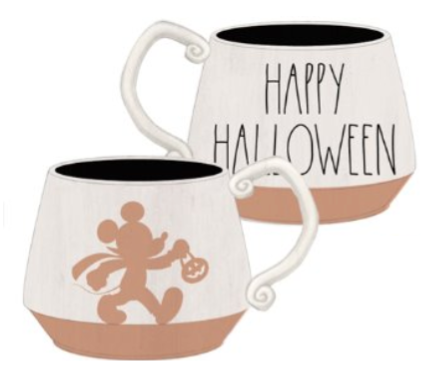
This is a useful distinction: a design can be technically feasible without being commercially viable at its intended price. By considering cost alongside manufacturing capability early on, the team can make a deliberate choice about which details matter most and where a change will preserve the overall look while improving price alignment.
The Snoopy Mug
A 3D feasibility question on a licensed mug shows exactly why timing matters.
The original vision was striking. The initial concept featured a fully three-dimensional Snoopy figurine integrated into the mug, and that 3D character was meant to be the key differentiator, the thing that drove shelf presence and made the piece stand out instantly. It was a strong idea with a clear reason to exist.
Then feasibility entered, early, while the design could still move.
The factory capability assessment confirmed that the original 3D execution could not be achieved at the required cost and quality standard. That finding could have been a dead end. Instead, because it surfaced early, it became a fork with two real paths, both of which were identified and presented to the team:
Option 1: Retain the 3D figurine concept at a reduced size, the version that was actually achievable within the cost and quality requirements.
Option 2: Move to a 2D surface application of the character, which carried lower risk, higher color accuracy, and faster tooling.
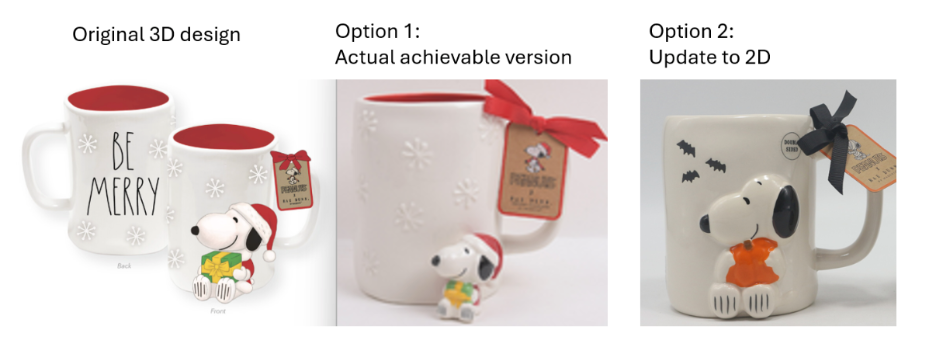
This is the part that mattered most. The assessment happened before final design sign-off, which preserved both decision lanes. The team got to weigh the two viable directions while there was still time to choose between them.
Picture the alternative. Without early feasibility input, the team would have proceeded with the original 3D concept and run straight into tooling, cost, or quality issues at the sample stage. At that point, the options narrow to bad ones: absorb a cost the tier can't carry, accept a quality compromise, or scrap the work completely and start a sampling round over against a deadline that hasn't moved. Early alignment replaced that reactive scramble with an informed decision.
The team selected Option 2. The 2D direction enabled on-time development with no rework, and the product held onto its brand expression and retail viability without compromising the original creative intent. The character still drove shelf presence. The piece still felt unmistakably like the program it belonged to. It simply got there by the path that could actually be executed well, identified early enough to choose on purpose. You can see more of how these licensed programs come together in our Peanuts case study.
The Lesson
Feasibility conversations early in development are what help create better options.
That's the reframe at the center of how we work. When feasibility shows up at the end, it really can feel like a constraint, because by then the only thing left to do is react. When it shows up at the beginning, it does the opposite. It keeps decision lanes open, pressure-tests ideas while they're still flexible, and gives the design team a fuller set of choices rather than a single forced one.
The Takeaway
The strongest products usually end up being the ones that asked the feasibility questions early in the process, while there was still room to answer them properly.
Early feasibility doesn't mean every detail has to be settled at the start, and it doesn't mean creative ambition gets traded away for what's easy to make. It simply means the people who understand cost, quality, and manufacturing are part of the conversation while the ideas are still open, so the design vision can be protected with full information rather than defended after the fact.
When used as intended, feasibility is the place in the process where good ideas get even more ways to succeed.
If you're a retailer, brand, or creator with an ambitious idea you want built right, we'd love to bring feasibility into the conversation early enough to keep your options open. Explore our partner pathways for retailers, brands, and artists and creators, browse our case studies, or reach out to start the conversation.