
We called this trend nearly two years ago. Summer 2026 proved it had staying power.
.png)
How Bucolic Bounty became one of Magenta’s strongest early reads.
When your products launch across thousands of retail doors, forecasting trends after they peak isn’t useful. By then, development windows have closed, shelves are set, and customers have moved on.
At Magenta, we release trend reports 12 to 24 months before many of those products ever reach retail because product development demands it. The forms, finishes, palettes, and stories entering stores in Summer 2026 often started as signals we identified years earlier.
Bucolic Bounty was one of those signals.
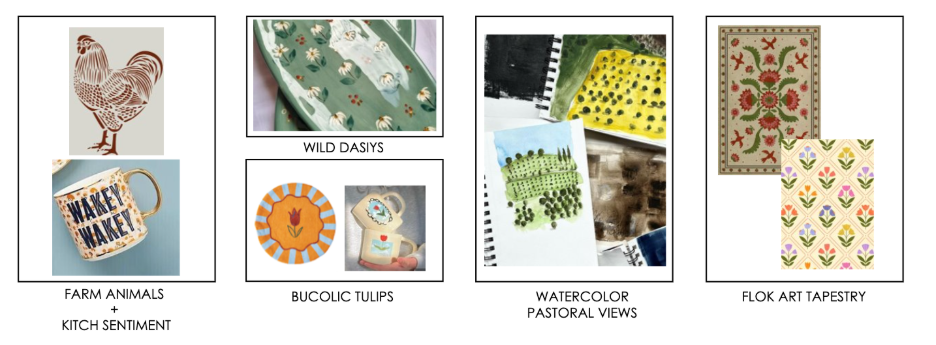
Originally forecasted by Magenta as a Summer 2026 direction, Bucolic Bounty centered around slow living, homestead routines, cottage-inspired comfort, and a growing consumer desire for products that felt collected, familiar, and tied to everyday rituals. At the time, those signals were still emerging.
Now, in Summer 2026, versions of that same direction are showing up broadly across retail, from mass merchants to specialty stores.
That’s what a trend hit looks like. Not because the aesthetic appeared. Because the underlying behavior proved durable.
The earliest signs had very little to do with tabletop
Strong forecasting rarely starts with products.
The first indicators behind Bucolic Bounty showed up in consumer behavior:
- increased interest in gardening, preserving, and baking
- nostalgia-driven interiors and “collected” homes
- slower morning routines and ritual-focused content
- growing attachment to comfort, home, and familiarity
- consumers romanticizing everyday life
Individually, none of these pointed clearly to a tabletop collection. Together, they suggested something larger: people were gravitating toward homes that felt softer, slower, and more grounded.
The question became: What does that look like on shelf two years from now?
Turning a forecast into product requires translation, not imitation
One of the easiest ways to miss a trend is to follow it too literally.
For Rae Dunn, Bucolic Bounty worked because the direction was interpreted through the brand rather than layered onto it. The collection leaned into homestead storytelling, garden references, harvest motifs, and softer country-inspired elements while still feeling recognizably Rae.
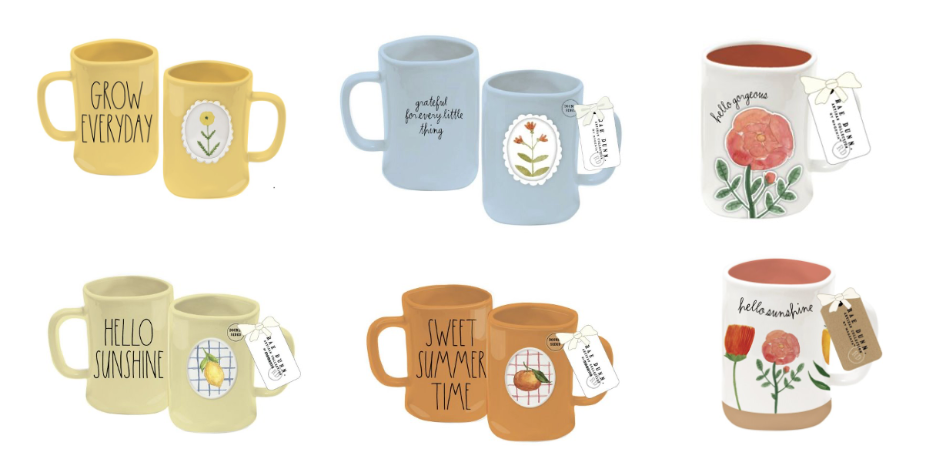
That balance matters. Customers do not shop brands in isolation. They build collections over years. Newness needs to feel fresh without feeling unfamiliar.
The strongest trend adoption protects both relevance and brand equity.
The proof: the market moved where we expected
Now that Summer 2026 has arrived, we continue seeing versions of Bucolic Bounty surface across retail:
- cottage-inspired entertaining
- produce motifs and garden storytelling
- slower-living aesthetics
- layered, collected interiors
- heritage references and softer country influences
The language changes slightly retailer to retailer. The emotional driver remains consistent. Consumers continue responding to products that make home feel warmer, more personal, and less polished.
That persistence is exactly why we’re continuing to evolve and protect the direction into 2027 and 2028.
Why we’re not done with Bucolic Bounty
Protecting a trend does not mean repeating it. It means understanding what made people connect with it in the first place.
For Bucolic Bounty, we believe the staying power comes from deeper behaviors:
- comfort over perfection
- collecting over replacing
- ritual over convenience
- emotional connection to home
Those signals have not disappeared. If anything, they’ve strengthened.
The next iteration may become more refined, less overtly cottage-inspired, or show up through material, texture, and finish rather than motif. But the underlying desire remains.
That is the difference between a seasonal trend and a longer-term shift.
The takeaway
Trend forecasting only matters if the prediction survives the timeline between concept and customer.
Bucolic Bounty began as an early signal in a Magenta report, became a Summer 2026 product direction, and is now showing up across retail in ways that continue to validate the original read.
A forecast. A collection. Market confirmation. Those are the trend hits worth paying attention to.